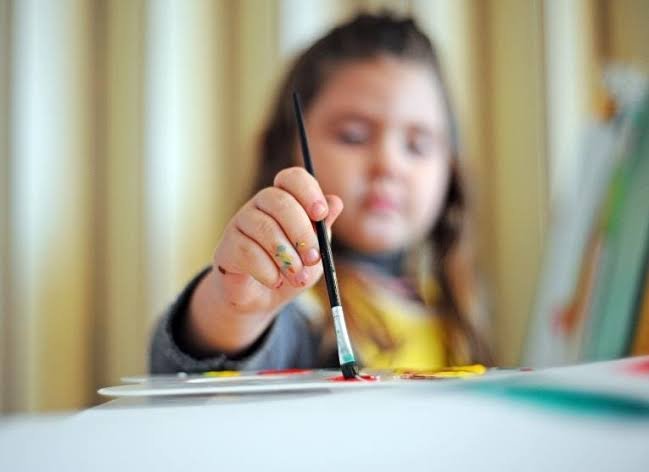
The early years of a child’s life play a critical role in shaping future academic success, social development, and emotional well-being. A quality pre-kindergarten program provides children with structured opportunities to learn, explore, and develop essential skills before entering kindergarten. These programs go beyond basic childcare by creating an environment where young learners can build confidence, curiosity, and a love of learning.
At Lil People World, educators understand that early childhood education lays the groundwork for future achievement. Through carefully designed activities, children develop the cognitive, social, emotional, and physical skills they need to thrive both inside and outside the classroom.
Why a Pre-Kindergarten Program Matters
A child’s brain develops rapidly during the preschool years. Research consistently shows that high-quality early education experiences can positively influence academic performance, communication abilities, and social skills.
A structured pre-kindergarten setting helps children:
- Develop language and literacy skills
- Strengthen problem-solving abilities
- Learn how to interact with peers
- Build emotional regulation skills
- Improve attention and focus
- Gain independence and self-confidence
These foundational skills prepare children for kindergarten expectations while supporting healthy development in all areas of life.
Key Benefits of a Pre-Kindergarten Program
Academic Readiness
One of the primary goals of a pre-kindergarten program is to prepare children for future academic success. Young learners are introduced to early literacy and numeracy concepts through age-appropriate activities and play-based learning experiences.
Children often begin developing skills such as:
- Letter recognition
- Phonemic awareness
- Early writing abilities
- Counting and number recognition
- Pattern identification
- Basic science exploration
By engaging with these concepts early, children enter kindergarten with greater confidence and readiness to learn.
Social and Emotional Development
Learning how to interact with others is just as important as academic preparation. In a classroom setting, children gain valuable experience working with peers, sharing resources, taking turns, and resolving conflicts.
Social-emotional learning helps children:
- Build friendships
- Develop empathy
- Understand emotions
- Practice cooperation
- Strengthen communication skills
- Learn self-control
These experiences contribute to healthier relationships and greater success throughout their educational journey.
Improved Communication Skills
Strong communication skills are essential for learning and social interaction. Through storytelling, group discussions, music, and imaginative play, children expand their vocabulary and learn to express themselves effectively.
Daily opportunities for conversation encourage children to:
- Ask questions
- Share ideas
- Follow directions
- Participate in group activities
- Improve listening skills
As communication abilities grow, children become more confident learners and active participants in the classroom.
The Role of Play in Early Childhood Education
Play is often misunderstood as simply entertainment. In reality, play serves as one of the most powerful learning tools available to young children.
High-quality early learning environments intentionally incorporate play into daily activities because it promotes:
- Creativity
- Critical thinking
- Problem-solving
- Collaboration
- Language development
- Motor skill growth
Whether children are building with blocks, participating in pretend play, or exploring sensory activities, they are actively learning important concepts that support future academic success.
Types of Learning Through Play
Guided Play
Teachers introduce specific concepts while allowing children to explore independently. This balance encourages curiosity while supporting educational goals.
Free Play
Children choose activities based on their interests. Free play promotes creativity, decision-making, and self-expression.
Collaborative Play
Group activities help children develop teamwork, communication, and conflict-resolution skills while learning from their peers.
Essential Components of a Quality Pre-Kindergarten Program
Not all programs offer the same educational experience. Parents should look for several important characteristics when evaluating options.
Qualified and Caring Educators
Teachers play a significant role in a child’s development. Experienced early childhood educators understand how young children learn and can adapt instruction to meet individual needs.
Effective educators:
- Foster positive relationships
- Encourage exploration
- Support emotional growth
- Create engaging learning experiences
- Monitor developmental progress
A nurturing teacher can have a lasting impact on a child’s confidence and enthusiasm for learning.
Developmentally Appropriate Curriculum
Young children learn best when activities align with their developmental stage. A balanced curriculum should support academic learning while also promoting social, emotional, and physical development.
An effective curriculum often includes:
- Literacy activities
- Math exploration
- Science discovery
- Creative arts
- Music and movement
- Outdoor play
- Social-emotional learning
This comprehensive approach helps children develop a wide range of skills while maintaining their natural curiosity.
Safe and Engaging Learning Environment
The physical environment plays an important role in supporting learning. Classrooms should be clean, organized, and designed to encourage exploration.
A quality learning environment typically features:
- Age-appropriate materials
- Interactive learning centers
- Reading areas
- Creative play spaces
- Outdoor learning opportunities
- Safety-focused design
These features help children feel comfortable, secure, and motivated to participate in daily activities.
How Pre-Kindergarten Supports School Readiness
School readiness involves much more than knowing letters and numbers. Children must also develop the behavioral and emotional skills needed to succeed in a structured classroom environment.
A strong pre-kindergarten program helps children learn how to:
- Follow classroom routines
- Listen to instructions
- Work independently
- Participate in group activities
- Manage transitions
- Solve simple problems
- Demonstrate self-control
These skills help reduce anxiety during the transition to kindergarten and support a smoother adjustment to formal schooling.
The Importance of Early Literacy Development
Literacy development begins long before children learn to read independently. Exposure to books, conversations, songs, and storytelling helps establish critical language foundations.
Pre-kindergarten classrooms often support literacy growth through:
- Daily reading sessions
- Story discussions
- Rhyming activities
- Letter recognition games
- Vocabulary-building exercises
- Writing opportunities
These experiences help children develop language skills and prepare them for future reading success.
Encouraging a Love of Reading
Children who associate reading with enjoyment are more likely to become lifelong readers. Engaging stories, interactive discussions, and access to age-appropriate books can foster positive attitudes toward literacy from an early age.
Parents and educators working together can create meaningful reading experiences that support long-term learning.
Supporting Physical Development
Physical development is another important aspect of early childhood education. Young children need opportunities to strengthen both fine and gross motor skills.
Fine motor activities may include:
- Drawing
- Cutting with scissors
- Building with small objects
- Manipulating puzzles
Gross motor activities often involve:
- Running
- Jumping
- Climbing
- Dancing
- Outdoor games
These activities support overall health while building skills needed for future classroom tasks such as writing and self-care.
How Families Can Support Learning at Home
The benefits of early education are strengthened when families actively participate in their child’s learning journey.
Parents can support development by:
- Reading together daily
- Encouraging conversations
- Providing opportunities for creative play
- Establishing consistent routines
- Practicing counting and letter recognition
- Exploring nature and community experiences
Simple everyday interactions can reinforce classroom learning and promote continued growth.
Building Strong School-Family Partnerships
Successful early childhood education programs recognize the importance of collaboration between educators and families. Open communication helps ensure children receive consistent support across learning environments.
When families and teachers work together, children often gain confidence, make stronger academic progress, and develop socially.
Choosing the Right Pre-Kindergarten Program
Selecting the right program requires careful consideration. Parents should evaluate educational philosophy, classroom environment, teacher qualifications, safety practices, and opportunities for family involvement.
Questions to ask during a visit may include:
- What does a typical day look like?
- How is learning incorporated into play?
- What qualifications do teachers have?
- How is progress communicated to families?
- What safety measures are in place?
- How are social and emotional skills supported?
Taking time to assess these factors can help families find a program that aligns with their child’s needs and learning style.
Conclusion
A high-quality pre-kindergarten program provides children with the academic, social, emotional, and physical foundations needed for future success. By combining structured learning with meaningful play experiences, these programs help young learners develop confidence, curiosity, and essential life skills.
Families who invest in early childhood education are investing in their child’s long-term growth and achievement. As Lil People World recognizes, supportive and engaging early learning experiences can help set the stage for a lifetime of learning and success.