Introduction
Salary credited on the 1st, and by the 20th you’re wondering where it all went? You’re not alone — this happens to nearly everyone at some point. The 50 30 20 budget rule is one of the simplest frameworks to fix that exact problem, without needing a finance degree or a complicated spreadsheet. It’s not perfect, and I’ll be honest about where it falls short too, but for most salaried people in India, it’s a genuinely solid starting point.
What Is the 50/30/20 Rule?
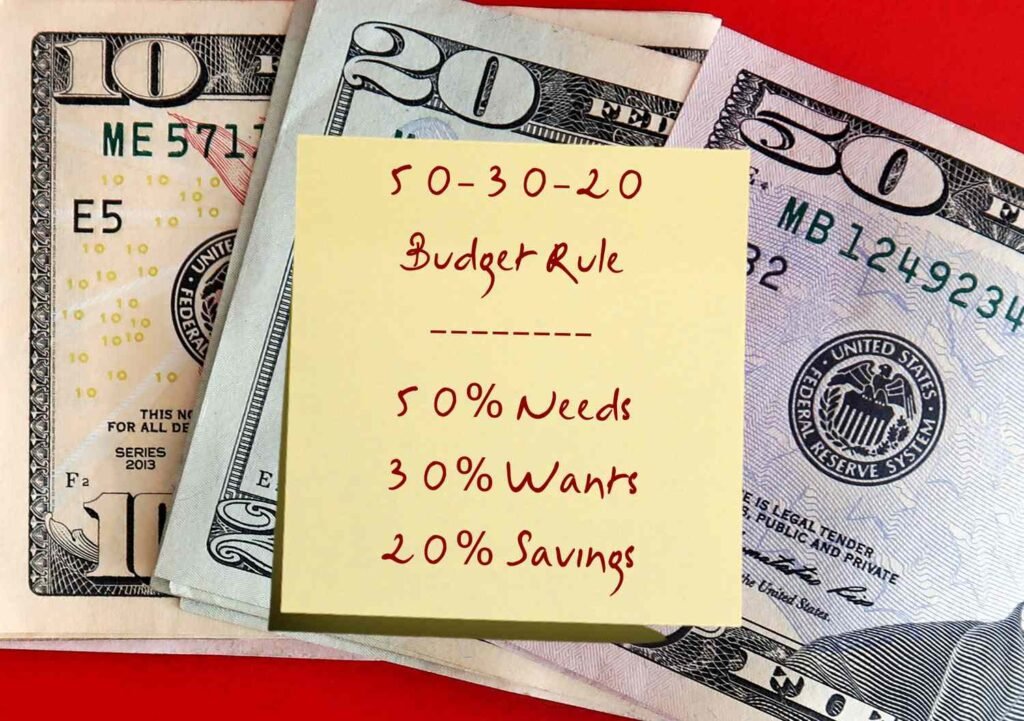
Popularized by U.S. Senator Elizabeth Warren in her book “All Your Worth,” this rule splits your take-home income into three simple buckets.
In short: The 50 30 20 budget rule allocates 50% of income to needs, 30% to wants, and 20% to savings and debt repayment — a simple mental model rather than a rigid formula.
Breaking Down Each Category
The 50% — Needs
This covers rent, groceries, EMIs, electricity, medical costs — the non-negotiables. If your needs are eating up 70% of your salary, that’s a signal something structural needs to change, not just budgeting tweaks.
The 30% — Wants
Dining out, OTT subscriptions, that impulsive Amazon order at midnight, weekend trips. This is where most people overspend without even realizing it.
The 20% — Savings and Debt
SIPs, emergency fund contributions, extra credit card payments, PPF deposits. This bucket is the one people cut first when money’s tight — and that’s exactly backwards.
How to Apply This to an Indian Salary
Let’s say your monthly take-home is ₹60,000.
- Needs (50%): ₹30,000 — rent, groceries, utility bills, transport
- Wants (30%): ₹18,000 — entertainment, eating out, shopping
- Savings (20%): ₹12,000 — mutual funds, RD, emergency fund
I’ve noticed that in expensive cities like Mumbai or Bangalore, the 50% “needs” bucket often blows past 60-65% just because of rent alone. If that’s you, don’t panic — adjust the ratio to something like 60/20/20 instead, and treat the original rule as a guideline, not gospel.
[link to related guide on how to create a monthly budget here]
Where the 50/30/20 Rule Falls Short
I’ll be upfront — this rule doesn’t work great for people with very low income, where needs can eat up 80-90% of the salary no matter how carefully you cut wants. It also doesn’t account for irregular freelance income well.
A Quick Fix for Freelancers
If your income varies month to month, apply the percentages to your average income over the last 6 months instead of a single month’s number. It smooths out the volatility considerably.
Tools That Make This Easier
- Google Sheets with a simple three-column tracker
- Apps like Walnut or Money View that auto-categorize your spends
- A basic notebook — honestly, still works fine if you’re disciplined
Pick whichever one you’ll actually stick with. The fanciest app in the world is useless if you stop opening it after week two.
A Real Example
Picture a 26-year-old software engineer in Pune earning ₹75,000 a month. She started applying the 50 30 20 budget rule and realized her “wants” category was quietly eating 45% of her salary — mostly food delivery apps. Just tracking it for one month was enough to cut that number down to 30% without feeling deprived.
[link to related guide on best budgeting apps here]
Adjusting the Rule as Your Life Changes
Got a raise? Don’t just inflate your wants proportionally. A smarter move is pushing that extra income mostly into the savings bucket, bumping it from 20% to maybe 30-35%.
FAQs
Is the 50/30/20 rule suitable for someone with a low salary? Not always — if needs already exceed 50% of income, focus first on reducing fixed costs before applying the exact ratios.
Does EMI count as a need or a debt repayment? Loan EMIs typically fall under “needs” since they’re fixed obligations, but extra prepayments toward debt count in the savings bucket.
Can I use the 50/30/20 rule with irregular income? Yes, apply the percentages to your average monthly income over the past several months instead of a single paycheck.
What if my rent alone is more than 50% of my salary? Adjust the ratio — try 60/20/20 or look at reducing fixed costs like moving to a more affordable location if feasible.
Is this rule better than zero-based budgeting? Neither is objectively better; the 50/30/20 rule is simpler for beginners, while zero-based budgeting gives more granular control for detail-oriented planners.
Conclusion
The 50 30 20 budget rule isn’t about being perfect with percentages down to the decimal — it’s about having a rough map so your money stops disappearing mysteriously. Start by tracking just one month of expenses against these three buckets, and you’ll likely be surprised where the leaks actually are. Adjust the ratios to fit your real life, not the textbook version, and revisit them every time your income changes.
Suggested Alt Text:
- “Pie chart showing 50 30 20 budget rule allocation”
- “Person tracking monthly salary budget using notebook and calculator”