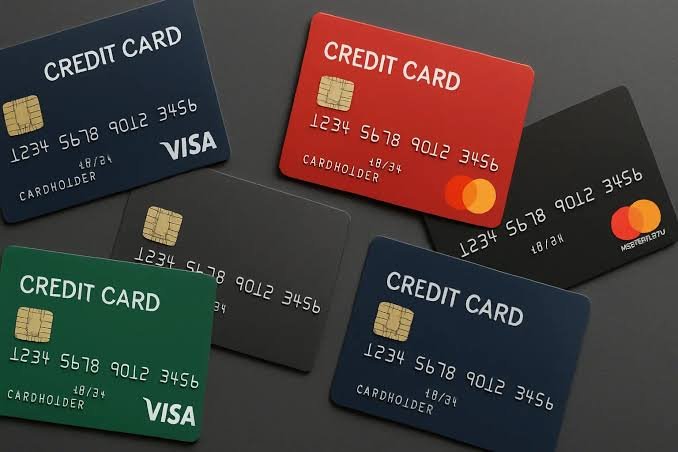
Introduction
Getting your first credit card feels like a small milestone, but also a bit intimidating — one wrong move and you’re stuck with annual fees or a damaged credit score before you’ve even really started. Finding the best credit card for beginners isn’t about chasing the flashiest rewards program; it’s about starting simple, building good habits, and avoiding unnecessary charges. Here’s what actually matters.
What to Prioritize as a First-Time Cardholder
In short: The best credit card for beginners typically has zero or low annual fees, a reasonable credit limit to start, and simple reward structures — complicated cashback tiers or premium travel cards aren’t worth the complexity at this stage.
Beginners often get lured by flashy rewards on premium cards without realizing the annual fee outweighs any benefit at their spending level.
Top Beginner-Friendly Credit Cards in India (2026)
- SBI SimplyCLICK — No annual fee in the first year, decent online shopping rewards
- HDFC MoneyBack+ — Straightforward cashback structure, easy to understand for first-timers
- Axis Bank ACE Credit Card — Flat cashback across categories, no complicated reward tiers
- Amazon Pay ICICI Credit Card — Genuinely no annual fee ever, strong for frequent Amazon shoppers
- IDFC FIRST Select — Lifetime free option, decent for those wanting to avoid any annual fee long-term
I got my first card years ago purely for the “rewards,” barely used the benefits, and paid an annual fee for a card that gave me almost nothing back. Lesson learned the hard way — start simple.
Understanding Annual Fees vs Lifetime Free Cards
Many cards waive the annual fee in the first year, then charge it from year two unless you hit a minimum spending threshold. Read this carefully before assuming a card is genuinely “free.”
Truly Lifetime Free Cards
A handful of cards, like the Amazon Pay ICICI card, have no annual fee ever, regardless of spending. These are ideal for someone just starting out and unsure how much they’ll actually use the card.
[link to related guide on improving your credit score here]
What Credit Limit Should a Beginner Expect?
Banks typically start beginners at a conservative limit — often ₹20,000 to ₹50,000, depending on income and credit history (or lack thereof for first-timers).
Don’t be discouraged by a low starting limit. It usually increases within 6-12 months of responsible usage.
Building Credit History From Scratch
- Use the card for small, regular purchases — groceries, subscriptions, fuel
- Pay the full bill every month, not just the minimum due
- Keep utilization below 30% of your credit limit
- Avoid applying for multiple cards in a short period
A student or someone with zero credit history can also consider a secured credit card, backed by a fixed deposit, as a starting point.
[link to related guide on personal loan vs credit card loan here]
Red Flags to Watch Out For
- Hidden charges on foreign transactions if you don’t travel internationally often
- Reward points that expire quickly or have complicated redemption processes
- High interest rates on unpaid balances — sometimes 3-4% monthly, which compounds fast
Has a “free” reward ever turned out to require jumping through so many hoops it wasn’t worth the hassle? That’s a common beginner card trap.
A Real-World Example
Picture a 23-year-old just starting her first job in Jaipur, applying for her first credit card. She picked a lifetime-free card with simple cashback on everyday spending rather than a flashy travel card with a ₹5,000 annual fee she’d never fully utilize. A year later, her credit score had climbed to 750+, purely from consistent, responsible usage.
FAQs
What’s the easiest credit card to get approved for as a first-timer? Cards from your existing bank (where you already hold a savings account) tend to have easier approval, since they already have your financial history.
Should a beginner choose a rewards card or a cashback card? Cashback cards are generally simpler to understand and use for beginners, without needing to track complicated reward point redemption rules.
Is a secured credit card a good option for someone with no credit history? Yes, secured credit cards backed by a fixed deposit are an excellent low-risk way to start building credit history from scratch.
How quickly does credit limit increase for beginners? Typically within 6-12 months of consistent, responsible card usage and timely bill payments, banks often review and increase limits automatically.
Does having a credit card with no annual fee affect my credit score negatively? No, annual fee has no bearing on your credit score — what matters is timely payment and credit utilization.
Conclusion
Choosing the best credit card for beginners really comes down to simplicity over flash — a no-annual-fee card with straightforward cashback will serve you far better than a premium card you’re not ready to fully utilize. Focus on building consistent, responsible habits in the first year: pay in full, keep utilization low, and let your credit history build naturally. The fancy travel cards can wait until your credit profile is stronger.
Suggested Alt Text:
- “First-time credit card user comparing beginner-friendly options”
- “No annual fee credit card benefits comparison chart”