Introduction
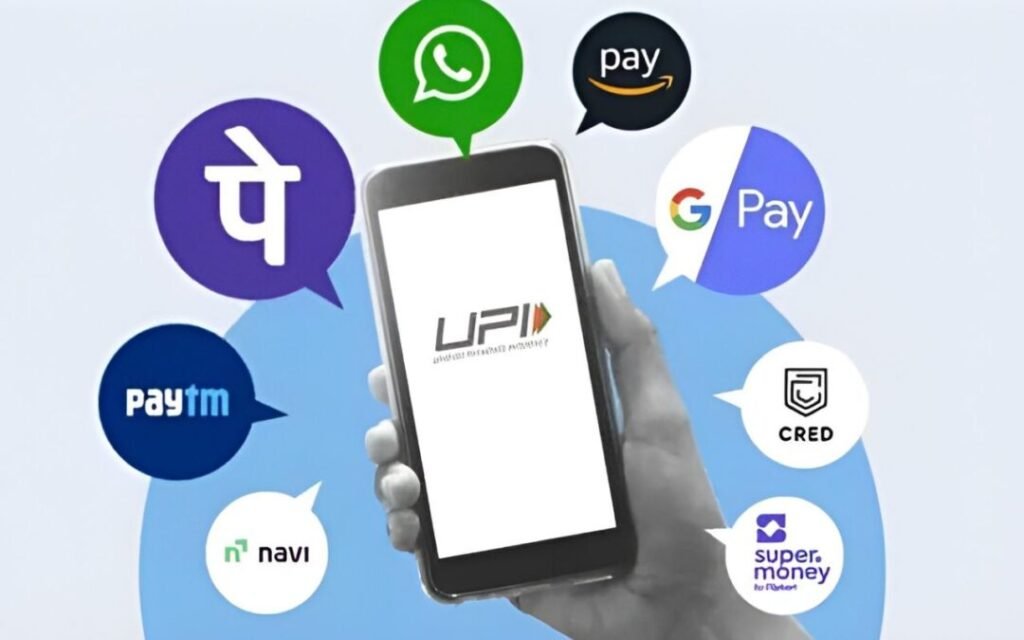
UPI transactions happen so often now that most of us barely think about which app we’re using — until something goes wrong, like a failed transaction or a payment stuck in limbo. Choosing among the best UPI apps in India isn’t just about which one your friends use; features like transaction limits, cashback structures, and customer support quality genuinely differ. Let’s compare them properly.
What Makes One UPI App Better Than Another?
In short: The best UPI apps in India differ mainly in transaction limits, cashback and reward structures, bill payment integrations, and how quickly they resolve failed transaction disputes — the core UPI payment mechanism itself is identical across apps since it runs on the same NPCI infrastructure.
Since UPI itself is a standardized payment rail, the “app” layer is really about the extra features built on top.
Top UPI Apps Compared
- Google Pay — Clean interface, reliable, decent scratch card rewards though less generous than a few years back
- PhonePe — Widest merchant acceptance, especially strong in smaller towns and local shops
- Paytm — Extensive bill payment and recharge integration, though the app can feel cluttered with promotional offers
- BHIM — Government-backed, no-frills, minimal but genuinely reliable
- Amazon Pay — Good if you’re already deep in the Amazon ecosystem, decent cashback on Amazon purchases specifically
I personally use PhonePe for most day-to-day payments simply because I’ve never had a local vendor who doesn’t accept it — coverage matters more than fancy features for daily use.
Transaction Limits You Should Know
- Standard UPI transaction limit: ₹1 lakh per transaction for most banks
- Daily limit varies by bank, typically ₹1-2 lakh across all UPI apps combined (bank-imposed, not app-imposed)
- Some banks impose lower limits for new UPI users in the first 24 hours, as a fraud prevention measure
[link to related guide on how to open a bank account online here]
Cashback and Rewards: Reading the Fine Print
Cashback offers sound appealing until you realize most are capped at small amounts (₹1-5 per transaction) and often require specific conditions like a minimum transaction value.
Are Rewards Worth Chasing?
Honestly, not really. Has switching apps purely for a ₹2 cashback ever actually made a meaningful difference to your finances? Reliability and merchant acceptance matter far more.
Safety Features Across Apps
- UPI PIN protection — standard across all apps
- Biometric/fingerprint lock — available on most major apps now
- Transaction alerts — instant SMS and app notifications for every transaction
- Auto-lock after inactivity — prevents unauthorized access if your phone is unlocked and unattended
[link to related guide on improving your credit score here]
What Happens When a UPI Transaction Fails?
Money debited but the recipient didn’t receive it? This happens occasionally due to network issues. Most UPI apps auto-reverse failed transactions within a few hours to a few working days.
If it doesn’t reverse automatically within 3-5 working days, raising a formal complaint through the app or the NPCI dispute portal usually resolves it.
A Real-World Scenario
Picture a small vegetable vendor in Jaipur who accepts payments via PhonePe primarily, simply because that’s what most of his regular customers already have installed. For everyday micro-transactions like this, the “best” UPI app often just comes down to what’s most widely adopted in your specific local ecosystem, not necessarily the app with the flashiest features.
Choosing Based on Your Actual Usage Pattern
- Frequent small local payments: PhonePe, due to widest merchant coverage
- Bill payments and recharges: Paytm, for the integrated ecosystem
- Minimalist, no-frills approach: BHIM or Google Pay
- Amazon-heavy shopper: Amazon Pay, for the ecosystem-specific cashback
FAQs
Is one UPI app safer than another? Not fundamentally — all UPI apps use the same underlying secure infrastructure regulated by NPCI; safety mainly depends on your own PIN and device security habits.
Can I use multiple UPI apps linked to the same bank account? Yes, you can link the same bank account across multiple UPI apps without any issue.
Why did my UPI transaction fail but money still got deducted? This is usually a temporary network or bank-side issue; the amount typically auto-reverses within a few hours to a few working days.
Do UPI apps charge any transaction fee? For personal peer-to-peer and most merchant transactions, UPI remains free; some specific merchant categories may have small fees under newer regulations.
Which UPI app has the widest merchant acceptance in India? PhonePe and Google Pay are generally considered to have the broadest merchant acceptance across both metro and smaller cities.
Conclusion
Among the best UPI apps available in 2026, the “right” choice really depends on your usage pattern more than any single standout feature — merchant coverage, bill payment integration, and reliability matter more than marginal cashback differences. Most people end up using two or three apps anyway, based on what different merchants accept. Pick one as your primary based on where you spend most often, and keep a backup installed for situations where your first choice isn’t accepted.
Suggested Alt Text:
- “Comparison of best UPI apps in India for payments 2026”
- “Person making UPI payment using smartphone at local shop”