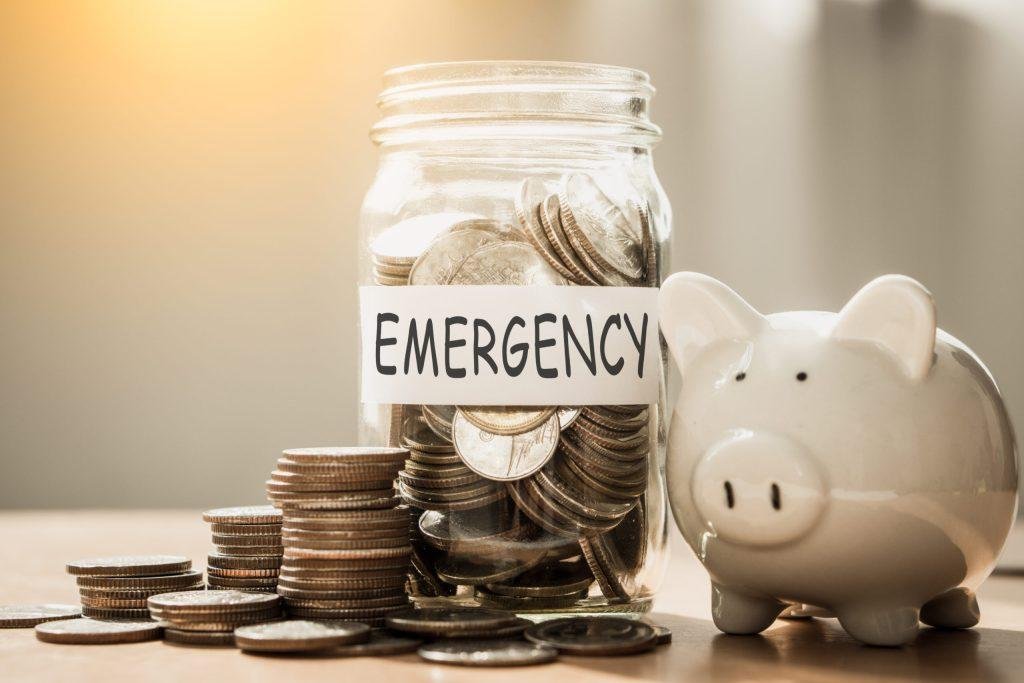
Introduction
One unexpected car repair, one sudden medical bill, one month without freelance work — any of these can throw your entire financial plan off track if you don’t have a cushion. Learning how to build an emergency fund from scratch feels daunting when you’re starting at zero, but it’s genuinely one of the most achievable financial goals if you break it into the right steps.
Why an Emergency Fund Comes Before Everything Else
In short: Learning how to build an emergency fund should be your first financial priority before investing, because without this cushion, an unexpected expense forces you to break investments prematurely or take on high-interest debt at the worst possible time.
Investing feels more exciting, sure, but an emergency fund is what protects that investment strategy from being derailed.
Step 1: Set a Realistic Initial Target
Don’t aim for 6 months of expenses immediately — that number feels impossible when you’re starting from zero and can actually discourage you from starting at all.
- First milestone: ₹10,000-20,000 (covers small emergencies)
- Second milestone: 1 month of expenses
- Final target: 3-6 months of expenses, depending on your job stability
Breaking it into milestones makes the overall goal feel genuinely achievable rather than overwhelming.
Step 2: Automate a Fixed Amount Monthly
Set up an auto-transfer of a fixed amount — even ₹2,000-3,000 — right after salary credit, before you have a chance to spend it elsewhere.
I’ve noticed automated transfers work dramatically better than “I’ll transfer whatever’s left at month-end,” because there’s rarely anything meaningfully left by then.
[link to related guide on how to create a monthly budget here]
Step 3: Find Extra Money Through One-Time Boosts
- Direct your next bonus or tax refund partially or fully toward the emergency fund
- Sell unused items lying around your house
- Redirect any windfall gifts toward this goal instead of discretionary spending
A one-time ₹15,000-20,000 boost can meaningfully accelerate your timeline compared to relying purely on monthly contributions.
Step 4: Choose the Right Place to Park It
Your emergency fund needs to be liquid and accessible, not locked away in a long-term investment.
- Savings account: Instant access, but lower returns (2.5-4%)
- Liquid mutual funds: Slightly better returns (5-6.5%), accessible within 24-48 hours
- Sweep-in fixed deposit: Combines FD returns with savings account liquidity
[link to related guide on best zero balance savings account here]
Step 5: Resist the Temptation to Dip Into It
This is genuinely the hardest part. An emergency fund is for actual emergencies — job loss, medical crisis, urgent repairs — not a vacation or a sale you don’t want to miss.
Defining What Counts as a “Real” Emergency
Before using the fund, ask yourself honestly: is this unexpected and urgent, or is it something I could have planned for or postponed? That single question filters out most non-emergencies.
A Real-World Scenario
Picture a freelance graphic designer in Jaipur with genuinely unpredictable monthly income. She started her emergency fund with just ₹1,000 monthly, feeling almost silly about how small it was. Eighteen months later, when a major client delayed payment for two months, that fund — grown to nearly ₹90,000 by then — covered her expenses without needing to take on any debt or panic-sell investments.
[link to related guide on personal finance for beginners here]
How Long Should Building It Take?
Realistically, 12-24 months for most people to reach a solid 3-6 month cushion, depending on income and existing financial obligations. There’s no shame in it taking time — consistency matters far more than speed here.
Rebuilding After You’ve Used It
If you’ve had to dip into your emergency fund for a genuine emergency, prioritize rebuilding it before resuming other financial goals like aggressive investing. Treat replenishing it as urgently as you’d treat any other essential expense.
FAQs
How much money should be in a starter emergency fund? Start with a realistic target of ₹10,000-20,000, then build toward 3-6 months of expenses over time.
Where’s the safest place to keep an emergency fund? A savings account or liquid mutual fund offers the right balance of safety and quick accessibility for emergency needs.
Should I build an emergency fund before investing in mutual funds? Yes, generally prioritize a basic emergency cushion before aggressive investing, since it protects your investments from being disrupted by unexpected expenses.
Can I count my credit card limit as part of my emergency fund? No, credit card debt carries high interest and shouldn’t be relied upon as a substitute for an actual liquid emergency fund.
How do I stay motivated while building an emergency fund slowly? Breaking the goal into smaller milestones and automating contributions removes the need for ongoing motivation or willpower entirely.
Conclusion
Learning how to build an emergency fund from scratch isn’t about a dramatic, one-time effort — it’s about small, automated, consistent contributions that quietly build a real safety net over 12-24 months. Start with a modest, achievable first milestone rather than an intimidating final number, and let automation do the heavy lifting. Once it’s built, you’ll genuinely feel the difference in how much less financial stress unexpected expenses cause.
Suggested Alt Text:
- “Emergency fund savings jar with growing money illustration”
- “Person building emergency fund through automated monthly savings”