Why the Water in Your Home Deserves a Closer Look
Water is one of those things we use all day without giving it much thought. We drink it, cook with it, wash our clothes, take showers, and use it to clean almost every corner of the house. Yet when the water tastes strange, leaves white marks on faucets, or makes soap difficult to rinse away, it becomes clear that water quality can affect everyday comfort more than we realize.
The challenge is that not every water problem looks the same. Some homes deal with hard water, while others notice chlorine odors, sediment, or concerns about dissolved contaminants. The right solution depends on what is actually present in the water, not simply on what a product promises to remove.
Improving household water quality doesn’t have to be complicated. With a little knowledge and a practical approach, homeowners can choose equipment that suits their needs, protect plumbing fixtures, and make daily routines more enjoyable.
Understanding What Comes Through Your Taps
Water quality can vary considerably depending on the source, local treatment methods, plumbing materials, and the condition of the home’s pipes. Municipal water is generally treated to meet applicable drinking-water standards, but that doesn’t mean every household will have identical water characteristics. Private wells can present different challenges and may require more frequent testing.
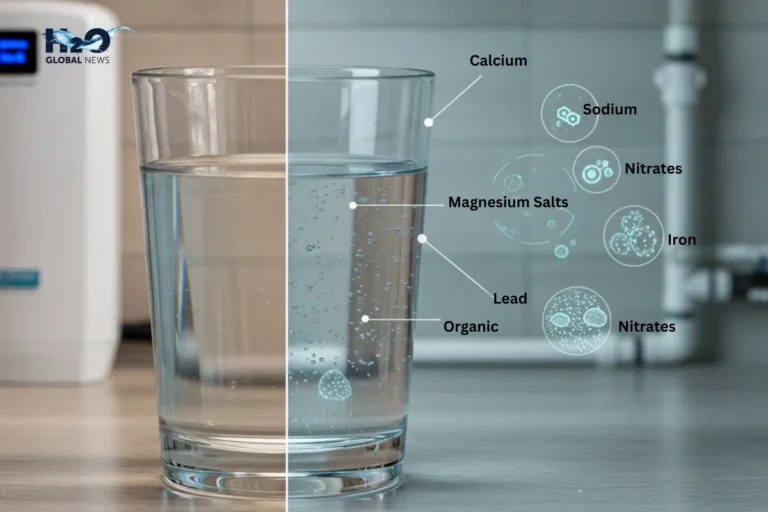
Common concerns include hardness minerals such as calcium and magnesium, chlorine taste or odor, sediment, and certain dissolved substances. Hardness often appears as chalky deposits around taps, cloudy spots on glassware, or scale inside appliances. Other contaminants may not have an obvious smell, color, or taste, which is why testing is more dependable than judging water by appearance alone.
A useful first step is to review the local water quality report or arrange appropriate testing. Homeowners with private wells should consider testing through a qualified laboratory. Knowing the specific issue makes it easier to select a treatment system without spending money on features that aren’t necessary.
Whole-Home Treatment for Everyday Water Use
For households that want to address water quality throughout the property, whole house water filters can be a practical option. These systems are generally installed where the main water supply enters the home, allowing treated water to reach multiple outlets, including showers, bathroom sinks, laundry areas, and kitchen taps.
The type of filtration matters. Sediment filters can capture particles such as sand and rust, while activated carbon may reduce chlorine taste and odor. Specialized filtration media are designed for particular contaminants, but their effectiveness depends on the product, the water conditions, and proper installation.
It’s important to understand that no single filter removes everything. A basic sediment cartridge, for example, won’t necessarily remove dissolved chemicals, heavy metals, or microorganisms. Before purchasing a system, check its documented performance claims and look for independent certification appropriate to the contaminant you’re trying to reduce.
Flow rate deserves attention, too. A system that’s too small for a household may restrict water pressure when several taps or showers are running. The best setup balances filtration performance, household demand, maintenance requirements, and installation costs.
Managing Hard Water Without Unnecessary Complications
Hard water is a different problem from water containing sediment or unwanted chemicals. It results mainly from dissolved calcium and magnesium, which can accumulate as scale on plumbing fixtures, heating elements, showerheads, and appliances.
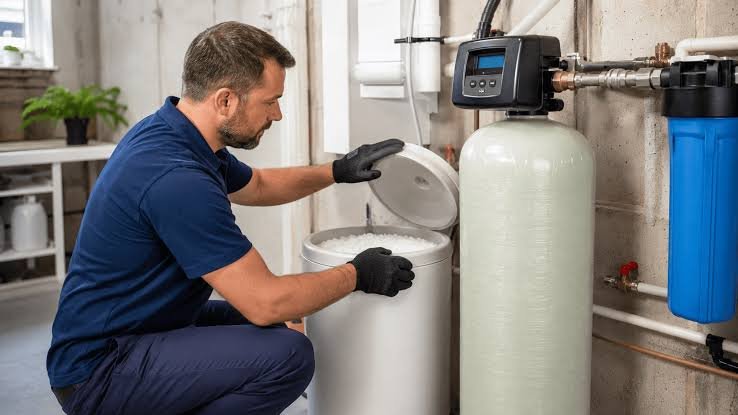
A water softener is designed to reduce hardness, commonly through an ion-exchange process that replaces calcium and magnesium ions with sodium or potassium ions. For homes with significant hardness, this can help limit scale buildup, make soap lather more easily, and reduce the chalky residue that often appears on bathroom surfaces.
However, softening isn’t essential for every household. Some people are comfortable living with moderately hard water, particularly when scale is minimal. A hardness test can help determine whether treatment is worthwhile and what capacity the system should have.
Traditional salt-based softeners require periodic replenishment and regeneration, so ongoing costs should be considered before installation. Salt-free conditioning products are also available, but they generally work differently and should not automatically be described as removing hardness minerals. Understanding that distinction helps prevent disappointment.
Another consideration is drinking water. Conventional ion-exchange softeners can increase sodium levels, depending on the original hardness. People following medically prescribed sodium restrictions may want to discuss suitable options with a healthcare professional and consider whether a separate drinking-water supply is appropriate.
Better Drinking Water at the Kitchen Sink
Whole-home filtration and water softening don’t always address every concern related to drinking water. Some homeowners prefer an additional treatment system at the kitchen sink, where water is used for drinking, making tea and coffee, preparing meals, and filling reusable bottles.
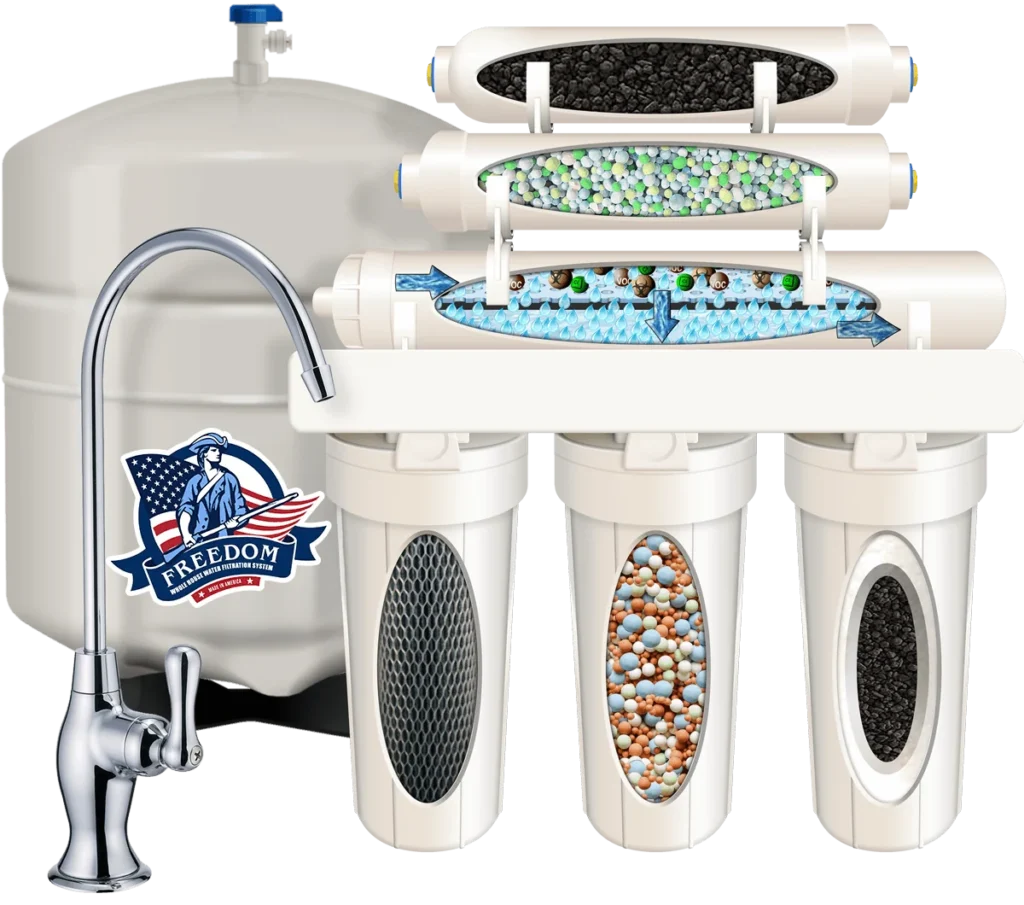
Reverse osmosis and alkaline water systems are two options people often explore when considering drinking-water treatment. Reverse osmosis uses a semipermeable membrane to reduce many dissolved substances, with performance depending on the system design and the substances involved. These systems commonly include prefilters and may use a final polishing filter to improve taste.
Alkaline water systems have a different purpose. They typically raise the water’s pH, often by passing water through mineral media or using another pH-adjustment method. Alkaline water isn’t automatically healthier than ordinary safe drinking water, and a higher pH alone doesn’t demonstrate that contaminants have been removed.
Some products combine reverse osmosis with a remineralization or alkalizing stage. When comparing them, pay attention to independently verified reduction claims, replacement-filter costs, water waste, installation requirements, and the availability of compatible cartridges. A system should be chosen for measurable performance rather than marketing language.
Maintenance Is Part of Water Quality
Even a well-designed treatment system needs regular care. Filters collect particles and gradually lose effectiveness, while softeners require appropriate settings and routine replenishment. Reverse osmosis membranes also have service-life limits that depend on incoming water quality, usage, and maintenance.
Replacing cartridges on schedule helps preserve performance and reduces the risk of neglected equipment becoming a source of poor water quality. Follow the manufacturer’s instructions, keep a record of replacement dates, and investigate sudden changes in taste, odor, pressure, or water appearance.
Professional installation can be useful when equipment connects to the main supply, requires drainage, or involves electrical components. After installation, verify that the system is operating correctly and that any necessary post-treatment testing has been completed.
Choosing a Solution That Fits Your Home
The smartest water treatment plan starts with a clear question: what problem are you trying to solve? If the main concern is chlorine taste, a suitable carbon filter may be enough. If scale is damaging fixtures, testing hardness can help establish whether softening makes sense. If testing identifies a particular drinking-water contaminant, select a system certified to reduce that substance under the relevant conditions.
Budget for more than the initial purchase. Installation, replacement filters, salt, electricity, water usage, and routine servicing can all affect the long-term cost. Also consider how many people live in the home, daily water demand, available space, and whether you want treatment at every tap or only at selected outlets.
Good water treatment isn’t about buying the biggest system or following every new trend. It’s about matching reliable technology to real household needs. When homeowners understand their water, compare verified product claims, and maintain their equipment properly, they can make informed decisions that support comfort, confidence, and consistent water quality for years to come.