Water is part of nearly everything we do at home. We use it to make coffee in the morning, wash vegetables for dinner, take a shower after a long day, and keep clothes and dishes clean. Most of the time, we don’t give it much thought. That changes when the water starts leaving chalky marks on faucets, develops an unusual smell, or simply doesn’t taste the way we’d expect.
For Florida homeowners, water quality can vary depending on the source, local conditions, plumbing, and treatment already in place. Some households receive municipal water, while others rely on private wells. Each situation brings its own considerations, which is why choosing the right treatment system should begin with understanding the water rather than guessing what might be wrong.
Why Water Quality Matters in Everyday Life
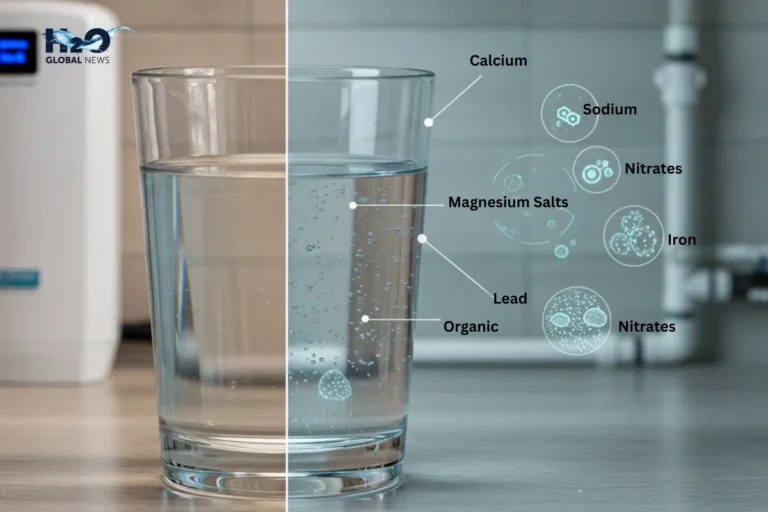
Not all water quality concerns are immediately obvious. Hard water, for example, contains higher levels of dissolved calcium and magnesium. These minerals aren’t generally considered a health concern at typical levels, but they can leave deposits on showerheads, make glassware look spotted, and contribute to scale buildup inside water-using appliances.
Other concerns may include sediment, iron staining, unpleasant odors, or a taste that makes drinking water less appealing. The causes can differ, and the right solution depends on what is actually present in the water.
Florida homes using private wells should pay particular attention to testing. Groundwater conditions can vary from one property to another, even when neighboring homes seem similar. Rainfall, nearby land use, and changes in the well or surrounding environment may affect water quality over time.
Municipal water is generally treated to meet applicable drinking water standards, but that doesn’t mean every homeowner will like its taste or mineral characteristics. In some cases, additional treatment can improve specific qualities. The important distinction is between improving comfort and addressing a genuine health-related concern.
A water test provides a more useful starting point than buying equipment based on advertisements or a neighbor’s recommendation.
Understanding Residential Water Treatment
The phrase residential water treatment covers a range of equipment designed to address different water quality concerns. There isn’t one universal system that does everything, and understanding the main options can make the selection process less overwhelming.
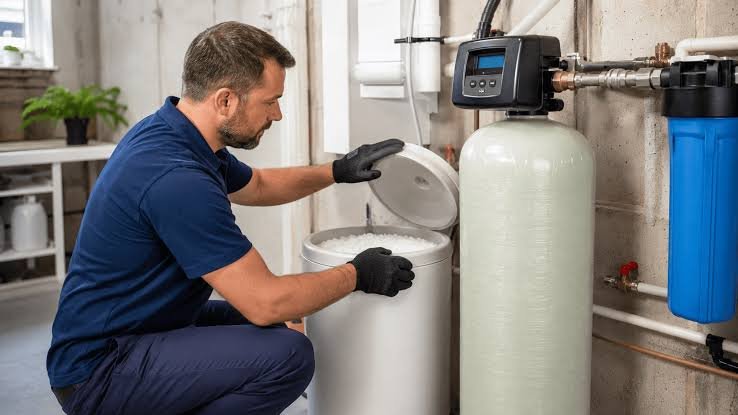
Water softeners are commonly used to reduce hardness minerals. By helping control scale buildup, they may make cleaning easier and help protect certain plumbing fixtures and appliances from mineral deposits.
Filtration systems work differently. Depending on the filter media and its certification, they may reduce sediment, chlorine-related taste and odor, or other specified substances. A sediment filter, for instance, is useful for capturing suspended particles, but it won’t necessarily remove dissolved contaminants.
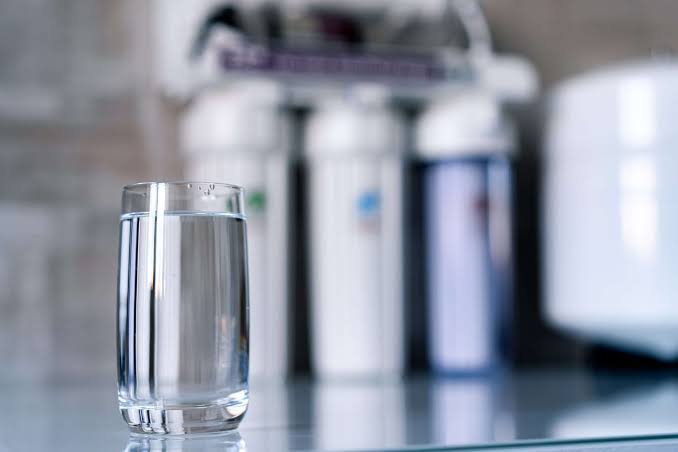
Reverse osmosis systems are often installed at a kitchen sink to treat drinking and cooking water. They use a semipermeable membrane to reduce many dissolved substances, although the results depend on the system’s design, condition, and certified performance claims.
Homes with private wells may need more specialized treatment. Depending on test results, options can include iron removal, targeted filtration, or disinfection. Each has a specific purpose, and selecting the wrong equipment can leave the underlying problem unresolved.
Before purchasing anything, homeowners should ask which water quality issue the system is intended to address and what evidence supports the recommendation.
Why Florida Homes May Need Different Approaches
Florida isn’t one uniform water quality zone. Water characteristics can differ between communities and even between nearby properties. The source of the water is an important part of the picture, as are the plumbing system, household size, and daily water consumption.
A home supplied by a municipal system may primarily need help with taste, odor, or hardness. A private well may require testing for a broader range of concerns before treatment decisions are made. Older plumbing can also influence what reaches the tap, making it important to investigate the entire situation rather than assuming the water source is the only factor.
Humidity and warm weather can make household maintenance feel like a never-ending list of small jobs. Mineral buildup on fixtures is one more annoyance homeowners would rather avoid. A properly selected softener or filter may help with particular problems, but equipment should always be matched to verified needs.
This is where customized water solutions for florida homes become especially useful. Instead of recommending the same package to every household, a thoughtful approach considers water test results, the property’s supply, family needs, installation requirements, and the cost of maintaining the equipment over time.
A custom recommendation doesn’t have to mean an elaborate or expensive setup. Sometimes a simple point-of-use filter is enough. In another home, several treatment stages may be appropriate.
Choosing Between Whole-Home and Drinking Water Systems
One of the first decisions homeowners face is whether to treat water throughout the property or focus on a particular tap.
A point-of-use system treats water at a specific location, often the kitchen sink. This approach can be practical when the main concern involves drinking water taste or the reduction of particular dissolved substances.
By contrast, whole home water treatment generally refers to equipment installed where water enters the house, allowing the system to treat water distributed to multiple fixtures. Depending on its design, it may address hardness, sediment, or other concerns that affect showers, laundry, plumbing, and appliances.
Whole-home systems can be convenient, but they aren’t automatically the best choice for every issue. Some contaminants require specialized treatment, while others may be better addressed at the point of use. In certain situations, a combination of systems offers a more practical result.
Capacity matters as well. A system designed for a small household may struggle to meet the demands of a large family with several bathrooms. Homeowners should discuss flow rate, peak water usage, maintenance requirements, and any expected water waste before settling on a model.
Look Beyond the Purchase Price
The initial price of a water treatment system is only one part of its overall cost. Filters need replacement, softeners may require salt, and some equipment needs periodic professional service. Reverse osmosis systems can also produce wastewater, depending on their design and operating conditions.
Ask for an estimate of routine maintenance expenses before making a decision. It’s worth checking the availability and price of replacement cartridges, the terms of the warranty, and whether service calls are included.
Certifications are another useful consideration. Look for products independently certified for the specific reduction claims that matter to your household. A general claim that a system makes water cleaner isn’t as informative as a clearly documented performance standard.
Be cautious of anyone who claims that one system removes every possible contaminant or insists you need expensive equipment without explaining the reason. Reliable advice should be based on evidence, not pressure.
Keep Your System Working as Intended
Installation is only the beginning. Filters must be changed according to their schedules, softeners need appropriate upkeep, and treatment equipment should be inspected when performance changes.
Pay attention to warning signs such as unusual odors, a sudden change in taste, reduced pressure, visible leaks, or the return of mineral deposits. These symptoms don’t always mean the treatment system has failed; sometimes the cause lies elsewhere in the plumbing. Either way, investigating early is usually better than waiting for the problem to grow.
Private well owners should continue testing their water at recommended intervals and after events that may affect its quality. Treatment equipment doesn’t remove the need for monitoring.
Make a Confident Choice for Your Home
Good water treatment starts with a simple question: What do you want to improve, and what does your water actually need? Once those answers are clear, comparing systems becomes much easier.
For Florida homeowners, the most sensible solution is one that fits the property’s water source, addresses specific concerns, and remains manageable to maintain. Professional guidance can help interpret test results, explain available technologies, and identify a system that suits both household needs and budget.
Water quality may not be the most exciting part of homeownership, but it affects daily life in countless small ways. Taking time to understand it can lead to fewer maintenance frustrations, more satisfying water use, and greater confidence in the choices made for your home.