For many homeowners, water quality becomes a priority only when something starts to feel off. Perhaps the shower leaves stubborn white marks on the glass, the kitchen tap produces water with an unusual taste, or soap seems less effective than it used to be. These small frustrations can lead people to explore water treatment, but knowing where to start isn’t always easy.
Water softeners and filtration systems can help address specific water concerns when they’re chosen correctly. Still, purchasing equipment is only one part of the process. Understanding available services, comparing offers carefully, and finding a trustworthy provider can make the experience much simpler.
For homeowners considering an upgrade, service options, promotional giveaways, and customer referral incentives may all be worth exploring. The key is knowing what each offer actually provides and whether it suits your household’s needs.
Start With the Water Problem, Not the Product
Before shopping for a water treatment system, take a moment to identify what’s happening in your home. White deposits on faucets and showerheads, for example, may indicate hard water. An unusual chlorine taste could suggest that filtration may improve the drinking-water experience, although testing is needed to identify specific contaminants reliably.
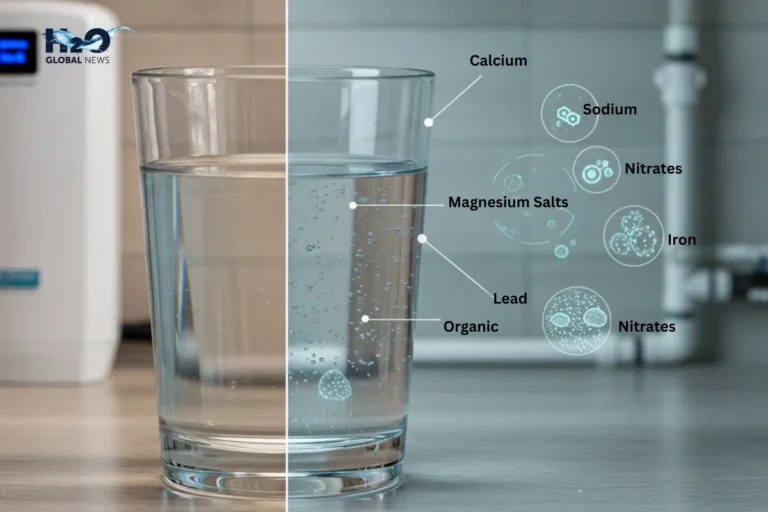
Hard water contains minerals, mainly calcium and magnesium. While these minerals are not generally considered a health concern at typical drinking-water levels, they can contribute to scale buildup, spots on glassware, and reduced soap performance. In some homes, scale can also affect water-using appliances.
Filtration and softening are not interchangeable. A water softener reduces hardness minerals, while a drinking-water filter may target chlorine, sediment, or particular contaminants, depending on its design. Reverse osmosis systems can reduce many dissolved substances, but their performance varies by model and operating conditions.
If you’re unsure what your water needs, review your local water-quality report or arrange appropriate testing. Private-well owners should follow local recommendations for regular testing because well water can be affected by surrounding land use, flooding, and changes in groundwater conditions.
A little research at this stage can prevent an expensive mistake later. After all, there’s no point paying for a sophisticated system if a simpler option would address the actual problem.
When It’s Time to Request Professional Service
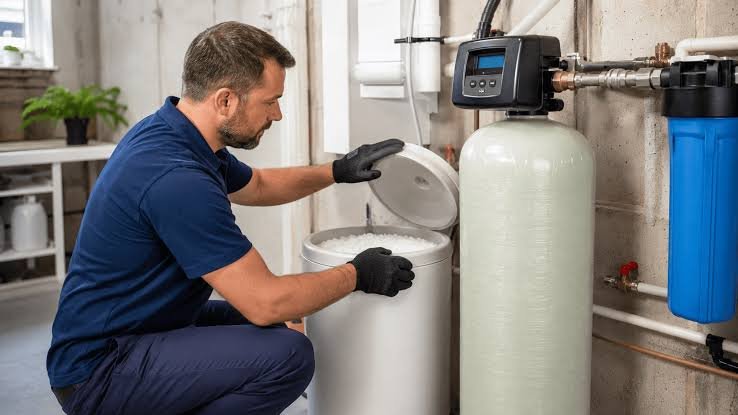
Water treatment equipment needs to be selected, installed, and maintained correctly. Even a good system may perform poorly if it is incorrectly sized, connected improperly, or used beyond its recommended capacity.
If you notice recurring scale, a sudden drop in water pressure, leaks around treatment equipment, or changes in water taste, consider whether a professional inspection is appropriate. These symptoms don’t automatically mean your water is unsafe, but they may indicate that the system needs attention.
When you request service, provide as much useful information as possible. Explain what you’ve noticed, when the problem began, and whether any recent plumbing work or equipment changes have taken place. If you already have a treatment system, share its make, model, and maintenance history when available.
Before booking, ask what the visit includes. Some providers may offer an initial assessment, while others charge separately for water testing, repairs, replacement parts, or installation. Understanding the scope and cost beforehand helps avoid confusion.
It’s also sensible to check the provider’s qualifications, warranty terms, service coverage, and experience with your type of equipment. A reliable professional should be willing to explain the problem in plain language and discuss suitable options without pressuring you into an immediate purchase.
What to Know About a Water Softener Giveaway
Promotional offers can make water treatment more accessible, especially for households that have been considering an upgrade but haven’t decided whether the expense is worthwhile. A water softener giveaway may provide an opportunity to receive equipment or a related prize through a company’s promotional campaign.
However, not every giveaway works the same way. Some are open to eligible participants, while others require a purchase, a referral, or participation in a specific event. Certain promotions may cover the equipment but exclude installation, plumbing modifications, delivery, or ongoing maintenance.
Read the official terms before entering. Look for the eligibility requirements, closing date, selection process, prize description, and any costs the winner may need to pay. If installation is included, check whether that means a standard installation or whether additional work is charged separately.
Be cautious of promotions that request unnecessary personal information or demand unexpected payments to claim a prize. Legitimate businesses should provide clear rules and identifiable contact details. Avoid sharing financial information through suspicious links or responding to messages that create artificial urgency.
A giveaway should be treated as a possible opportunity, not a reason to choose equipment that doesn’t fit your home. If the prize is a softener but your main concern is a drinking-water contaminant that softening does not remove, you may still need a different solution.
How Referral Programs Can Benefit Customers
Recommendations from friends and family often carry more weight than advertising. Someone who has used a water treatment service can describe what the installation was like, how responsive the company was, and whether the equipment has performed as expected over time.
Some businesses build on this word-of-mouth approach through a referral program. These programs may reward existing customers who introduce new clients, offering benefits such as service credits, discounts, gift cards, or other incentives. The details depend entirely on the company’s terms.
If you’re considering joining one, check when the reward becomes available. A referral might qualify only after a new customer completes a purchase or installation. There may also be limits on the number of referrals, geographic restrictions, or expiration dates.
Transparency matters here. If you recommend a provider because you genuinely had a good experience, explain that experience honestly. If you’re receiving a reward for the recommendation, disclose it where appropriate. A small incentive shouldn’t come at the expense of someone’s trust.
For homeowners seeking a service provider, referrals can be a useful starting point, but they shouldn’t replace independent research. Compare warranties, service options, equipment specifications, and total costs. One person’s ideal system may not be suitable for another household with different water conditions.
Calculate the Real Cost Before Buying
The initial price of a water treatment system is only part of its overall cost. Depending on the technology, you may also need replacement filters, salt, electricity, servicing, or additional plumbing work.
Ask for a clear estimate that separates equipment, installation, and recurring expenses. For water softeners, find out how much salt the unit typically uses and whether your household’s water consumption affects operating costs. For filtration systems, check replacement intervals and the availability of compatible filters.
You should also consider water use. Some reverse osmosis systems send a portion of incoming water to a drain during operation, and the amount varies by design and conditions. A water softener may also discharge wastewater during regeneration. Understanding these details helps you choose a system that balances performance, cost, and practicality.
Avoid relying on vague promises about dramatic savings or guaranteed health benefits. Look for measurable performance claims and independent certifications relevant to the contaminants or water characteristics you want to address.
Make an Informed Decision for Your Home
Better water management doesn’t have to begin with a major purchase. It can start with a simple question: what problem are you trying to solve? From there, water testing, professional advice, and careful product comparisons can help you find an appropriate option.
Service appointments can identify maintenance needs, promotional giveaways may offer a useful opportunity, and referrals can help you discover providers with a solid reputation. Each has potential value, provided you understand the terms and make decisions based on your household’s actual needs.
Ultimately, a water treatment system should make everyday life more convenient, not introduce unnecessary expense or uncertainty. Take your time, ask practical questions, and compare the full picture before committing. The smartest choice isn’t always the most expensive system or the biggest promotional offer. It’s the one that addresses your water concerns reliably and remains manageable long after installation.