Running a small business involves managing customers, sales, inventory, and daily expenses. Handling payments efficiently is another important part of these operations. A suitable POS machine for small business can simplify transactions while helping owners keep better track of their sales.
However, choosing the right system requires understanding what different POS machines offer and how they fit into everyday business activities.
What Is a POS Machine?
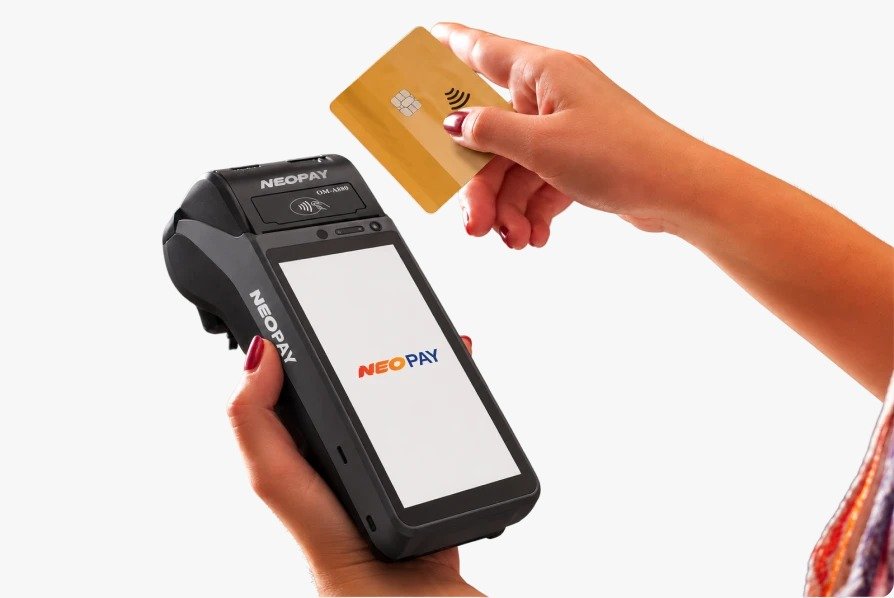
A Point of Sale (POS) machine is a device or system used by businesses to process customer payments. It allows merchants to accept debit cards, credit cards, and supported contactless payment methods.
Modern POS systems can offer additional functions, including sales tracking, inventory management, digital receipts, and transaction reporting.
While some businesses need only a basic payment terminal, others may benefit from a more comprehensive system that connects payments with their daily operations.
Why Do Small Businesses Need a POS Machine?
For small businesses, managing transactions manually can become difficult as customer numbers increase. A POS system helps simplify the checkout process and maintain organised payment records.
Some key advantages include:
- Faster transactions: Electronic payments can make the checkout process more convenient.
- Better record keeping: Digital transaction histories help businesses review sales.
- Multiple payment options: Customers can choose from supported card and contactless methods.
- Simplified reconciliation: Electronic records can make it easier to compare payments with business accounts.
- Operational efficiency: Integrated systems may help manage sales and inventory from one platform.
Features to Consider When Selecting a POS Machine
Not every business requires the same payment setup. Before choosing a system, owners should evaluate the following features.
1. Payment method compatibility
Check whether the POS machine supports debit cards, credit cards, contactless payments, and digital wallets commonly used by customers.
2. Ease of use
A straightforward interface can help employees process transactions without unnecessary delays or complicated training.
3. Connectivity options
Depending on the business environment, Wi-Fi, mobile data, or wired connectivity may be important. Businesses operating at markets or temporary locations may need portable devices.
4. Transaction reporting
Access to digital sales reports can help owners understand daily revenue, identify sales patterns, and maintain financial records.
5. Integration capabilities
Some POS systems connect with accounting software, inventory tools, and customer management platforms. These integrations can reduce repetitive administrative work.
6. Costs and support
Consider the initial device cost, transaction charges, maintenance expenses, and customer support availability before making a decision.
POS Machines and the Changing Needs of Small Businesses
A retail shop, restaurant, salon, and service-based business may have very different payment requirements. For example, a restaurant may need portable terminals for table-side payments, while a retail store may prioritise inventory integration.
The right POS machine should reflect how the business operates rather than simply offering the largest number of features.
Businesses with both physical and online operations may also explore ecommerce payment solutions to manage digital transactions alongside in-store payments.
Conclusion
Selecting a POS machine involves more than finding a device that accepts card payments. Small business owners should consider usability, payment compatibility, reporting, integration, and long-term operating costs.
Understanding these factors can help businesses build a payment setup that supports their current requirements while allowing room for future growth.