Water is something we use all day without giving it much thought. It runs through the shower, fills the kettle, washes our clothes, and helps keep the kitchen clean. So when it starts leaving stubborn marks or making everyday chores feel harder, it’s natural to wonder what has changed. Sometimes, the answer has less to do with cleaning products and more to do with the water itself.
Hard water is a common household issue. It contains higher levels of dissolved minerals, particularly calcium and magnesium, which can affect the way water behaves on different surfaces. These minerals are not usually a health concern at typical household levels, but they can create annoying deposits, interfere with soap, and gradually affect plumbing and appliances. Understanding the signs can help you decide whether a simple change in cleaning habits is enough or whether water treatment deserves a closer look.
The Everyday Signs of Hard Water
Hard water often makes its presence known through small frustrations rather than one obvious problem. You may notice that soap doesn’t lather as easily, shower glass looks cloudy soon after cleaning, or your kettle develops a chalky layer inside. These signs can seem unrelated, but they may share the same underlying cause.
One particularly familiar complaint is white spotting on dishes and fixtures. Those pale marks often appear when water droplets evaporate and leave mineral deposits behind. Glasses may look dull after a dishwasher cycle, and freshly cleaned faucets can develop spots before the day is over. Wiping surfaces dry can reduce the visible residue, but it doesn’t change the mineral content of the water.
The severity depends on several factors, including the hardness level, water temperature, how frequently surfaces get wet, and the efficiency of your cleaning routine. A home with moderately hard water may experience only occasional spotting, while a property with very hard water might see deposits appearing almost everywhere water regularly touches.
Why Mineral Deposits Keep Coming Back
Cleaning a bathroom can feel like a never-ending job when the same marks return a day or two later. You scrub the showerhead, polish the faucet, and wipe the glass, only to find a familiar white film building up again. It’s frustrating, especially when you’ve already spent time and money on cleaning products.
This recurring scale buildup around faucets happens because dissolved minerals remain behind as water evaporates. Over time, those deposits can collect around tap openings, showerheads, appliance connections, and other areas where water frequently sits. In more severe cases, scale may also form inside pipes, water heaters, and other equipment that uses heated water.
The effects go beyond appearance. Mineral deposits can restrict water flow through small openings, reduce the efficiency of certain appliances, and increase the effort required to keep fixtures clean. Water heaters are particularly worth watching because scale can accumulate on heating surfaces, potentially affecting performance.
Regular cleaning still matters, of course. A suitable descaling product may help remove existing deposits, provided it’s compatible with the surface and used according to its instructions. Avoid mixing cleaning chemicals, and be cautious with acidic products on natural stone or delicate finishes. Removing visible scale can improve the appearance of a fixture, but it won’t prevent new deposits if the underlying water remains hard.
Does Hard Water Affect Skin and Hair?
Many people notice a difference in how their skin and hair feel after showering, although the reasons can vary. Water hardness is one possible factor, particularly when soap reacts with calcium and magnesium to form residue that is harder to rinse away.
Some households report dry skin and hair after bathing in hard water. Mineral residue and soap deposits may contribute to a feeling of dryness or leave hair less manageable. However, hard water doesn’t affect everyone in the same way, and dryness can also result from hot showers, cold weather, frequent washing, harsh products, or an existing skin condition.
A few practical adjustments may help. Try using warm rather than very hot water, choose a gentle cleanser, and apply a suitable moisturizer after bathing. For hair, a conditioner formulated for your hair type may improve manageability. If irritation, persistent itching, or unusual dryness continues, consider speaking with a healthcare professional instead of assuming water hardness is the only cause.
A water softener may help reduce mineral-related soap residue, but it should not be viewed as a guaranteed treatment for skin or scalp problems. Its main purpose is to reduce hardness minerals, not to diagnose or treat medical conditions.
Simple Ways to Manage Hard Water at Home
Before investing in equipment, look at the areas where hard water causes the most inconvenience. Small habits can make daily maintenance easier, even if they don’t remove the minerals themselves.
- Dry wet surfaces: Wipe shower glass, faucets, and sinks after use to reduce the residue left by evaporating droplets.
- Clean appliances regularly: Follow the manufacturer’s instructions for descaling kettles, coffee makers, and dishwashers.
- Use suitable cleaning products: Choose products designed for mineral deposits and check that they are safe for the material being cleaned.
- Maintain plumbing fixtures: Remove and clean showerhead aerators when appropriate, following the product instructions.
- Check dishwasher settings: If your appliance supports water-hardness settings or dishwasher salt, consult its manual for the correct setup.
These steps can help control visible deposits, but they may not be enough when the water is particularly hard or scale repeatedly returns.
When Should You Consider Water Treatment?
If mineral buildup is affecting several rooms, cleaning has become unusually demanding, or appliances are showing recurring scale, testing the water can be a sensible next step. A hardness test measures the concentration of calcium and magnesium and helps establish whether treatment is likely to make a noticeable difference.
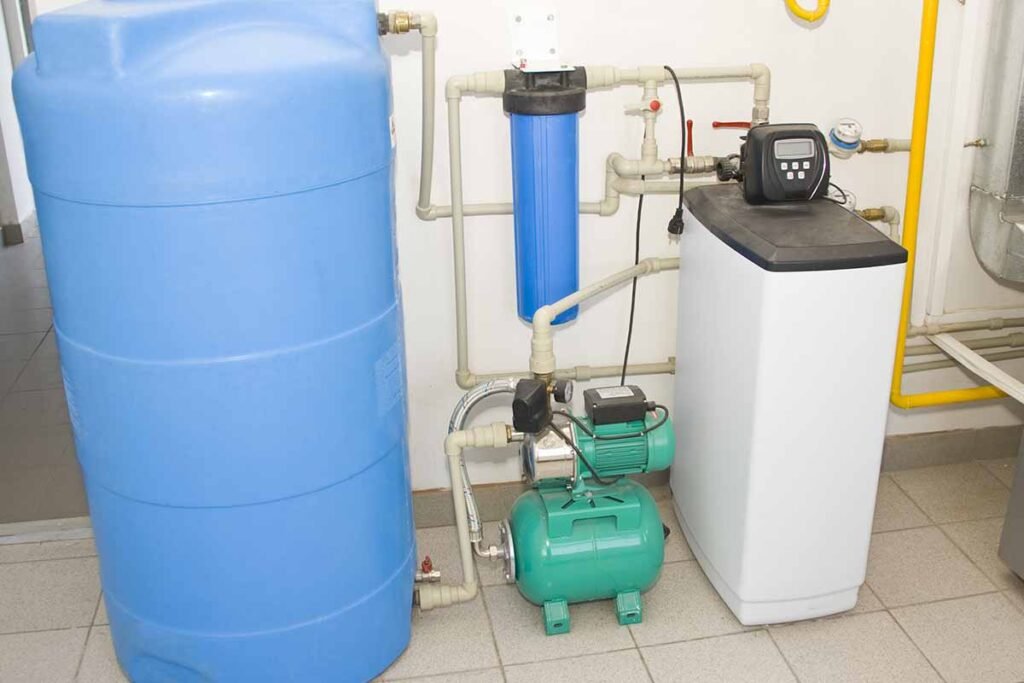
For many households, a conventional ion-exchange water softener is one option. It reduces hardness by exchanging calcium and magnesium ions for sodium or potassium ions, depending on the system. This can help limit scale formation and improve soap performance.
Choosing the right unit involves more than comparing prices. Household size, daily water demand, the measured hardness level, installation space, and maintenance requirements all matter. Traditional softeners generally need salt replenishment and periodic regeneration, so ongoing costs should be part of the decision.
It’s also important to distinguish softening from filtration. A softener is designed primarily to address hardness; it does not automatically remove bacteria, lead, or every other possible contaminant. If you have concerns about drinking-water safety, arrange appropriate testing and select treatment based on the results.
Make Your Home Easier to Maintain
Hard water can turn ordinary household tasks into repetitive chores, but you don’t have to tackle every spot and deposit blindly. Start by recognizing the signs, cleaning surfaces with appropriate products, and checking whether the water’s mineral content explains the recurring problems.
If the issue affects your entire home, testing can help you decide whether a softener or another treatment method is worthwhile. The right solution should address a genuine need, fit your budget, and come with a maintenance plan you can realistically follow.
Ultimately, better water management isn’t about buying the most expensive system or chasing a spotless faucet every morning. It’s about understanding what’s happening in your home and making practical choices that save time, protect your equipment, and make everyday routines a little easier.