Introduction
Checked your CIBIL score before applying for a home loan and felt your stomach drop a little? A home loan with low CIBIL score feels like a closed door, but it’s genuinely not impossible — it just requires a different strategy than the standard approach. I’ve seen people assume they’re stuck renting forever over a score in the 600s, and that’s simply not true. Let’s go through what actually works.
What Counts as a “Low” CIBIL Score?
In short: Getting a home loan with low CIBIL score (typically below 650) is harder but achievable — lenders may approve it with a higher interest rate, a co-applicant, or additional collateral, especially through NBFCs and housing finance companies rather than traditional banks.
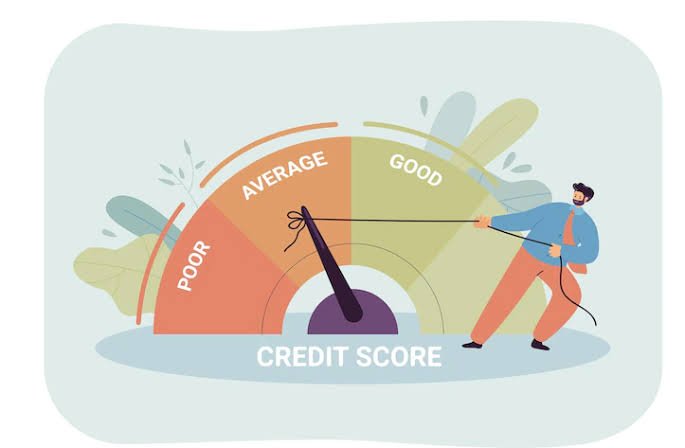
Most banks prefer scores above 750 for the best rates. Between 650-750 is considered moderate. Below 650 is where things get genuinely challenging, though not impossible.
Why Your CIBIL Score Might Be Low
- Missed EMI or credit card payments in the past
- High credit utilization (using most of your available credit limit regularly)
- Too many loan applications in a short period, each triggering a hard inquiry
- Errors in your credit report that were never disputed
Checking your actual credit report (not just the score) often reveals surprising errors — I’ve personally found an old closed loan account still showing as active on mine, dragging the score down unnecessarily.
[link to related guide on improving your credit score here]
Options for Getting Approved With a Low Score
1. Apply With a Co-Applicant
Adding a spouse or family member with a strong credit score as a co-applicant significantly improves approval odds, since the lender assesses combined creditworthiness.
2. Approach Housing Finance Companies (HFCs)
NBFCs and HFCs like PNB Housing, LIC Housing Finance, or Bajaj Housing Finance are often more flexible than traditional banks on credit score requirements, though usually at a slightly higher interest rate.
3. Offer a Larger Down Payment
Reducing the loan-to-value ratio by putting down 30-40% instead of the standard 20% reduces the lender’s risk exposure, making approval more likely even with a moderate score.
4. Provide Additional Collateral
Some lenders accept additional security like fixed deposits or other property to offset the risk of a lower credit score.
[link to related guide on personal loan vs credit card loan here]
Interest Rate Impact of a Low Score
- CIBIL 750+: Interest rates typically start around 8.3-8.7%
- CIBIL 650-750: Rates typically 0.5-1% higher than the best available rate
- CIBIL below 650: Rates can be 1.5-2.5% higher, if approved at all through traditional banks
On a ₹40 lakh loan over 20 years, even a 1.5% higher interest rate translates to lakhs of extra interest paid over the loan tenure — so improving your score before applying, even by a modest amount, is genuinely worth the wait if you have some flexibility on timing.
Steps to Improve Your Score Before Applying
- Pay off outstanding credit card dues in full, not just the minimum amount
- Avoid applying for new credit for at least 3-6 months before your home loan application
- Dispute any errors on your credit report with the bureau directly
- Keep credit utilization below 30% of your total limit consistently
Even a 3-6 month gap focused on these steps can meaningfully move your score, sometimes by 40-60 points.
A Real-World Scenario
Picture a couple in Jaipur, the husband’s CIBIL score sitting at 620 due to a rough patch a few years back with missed credit card payments. Rather than giving up on the home loan idea, they added the wife (with a 780 score) as co-applicant and approached a housing finance company. Approved within three weeks, at a rate only slightly above the market best.
FAQs
Can I get a home loan with a CIBIL score below 600? It’s difficult through traditional banks, but some NBFCs may still consider it with a co-applicant, larger down payment, or additional collateral.
How long does it take to improve a CIBIL score significantly? Meaningful improvement typically takes 3-6 months of consistent, disciplined credit behavior, though it varies based on individual credit history.
Does a low CIBIL score affect the loan amount I’m eligible for? Yes, lenders often reduce the eligible loan amount or increase the down payment requirement for lower credit scores.
Should I wait to improve my score before applying for a home loan? If you’re not in urgent need, waiting 3-6 months to improve your score can save significant interest costs over the loan tenure.
Do NBFCs charge much higher interest than banks for low CIBIL scores? Typically 0.5-1.5% higher than banks, but they’re often more flexible with approval criteria for moderate to low scores.
Conclusion
Getting a home loan with low CIBIL score is absolutely possible in 2026, though it requires a bit more strategy — a strong co-applicant, the right lender, or a larger down payment. If you have even a few months of flexibility before you need the loan, spending that time improving your score will likely save you significantly more in interest than the wait costs you. Check your credit report for errors first; that’s often the fastest, easiest win available.
Suggested Alt Text:
- “Couple reviewing home loan documents with low CIBIL score”
- “CIBIL score meter showing credit score ranges for home loan”