Introduction
Sudden expense, and you’re stuck choosing between swiping your credit card for a loan or applying for a proper personal loan? This decision trips up a lot of people because both seem equally quick on the surface. The personal loan vs credit card loan comparison actually has a clear answer in most cases — but not always, and the exceptions matter. Let’s break it down properly.
The Core Difference
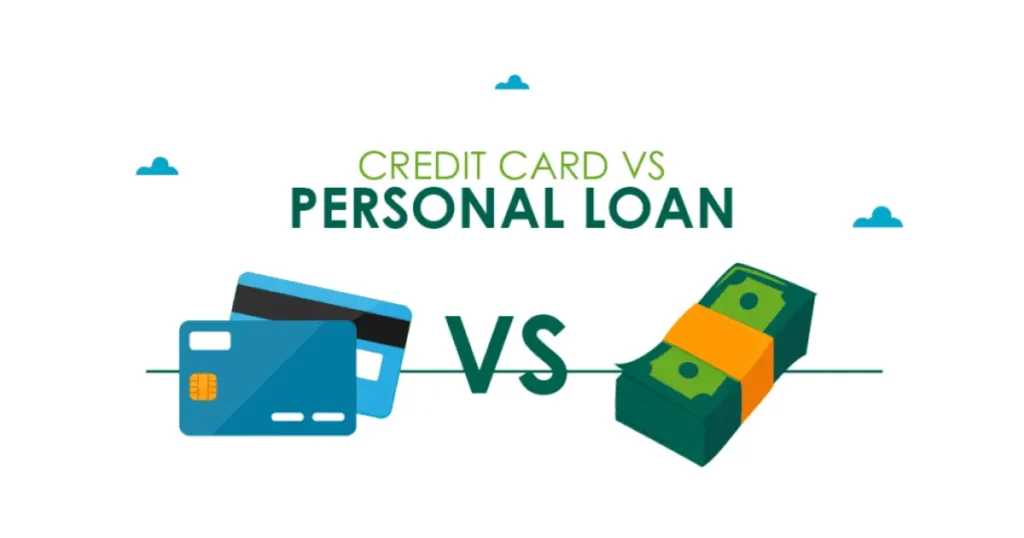
In short: In the personal loan vs credit card loan comparison, personal loans typically carry lower interest rates (10-18% annually) compared to credit card loans (24-42% annually), making personal loans the cheaper option for most borrowers needing larger amounts.
Credit card loans, sometimes called “loan against credit card” or simply carrying a balance, come with steep interest rates because the bank isn’t doing a fresh credit assessment — it’s leveraging your existing credit limit.
Interest Rate Comparison
- Personal Loan: 10.5% – 18% per annum, depending on your credit score and lender
- Credit Card Loan/EMI conversion: 24% – 42% per annum, sometimes even higher for cash withdrawals
- Credit Card Cash Withdrawal: Often the most expensive route, combining high interest with an additional withdrawal fee
I’ve seen people convert a large credit card bill into EMI without checking the actual interest rate first — and then get a nasty surprise when the total repayment turns out to be nearly 1.5x the original amount.
Speed of Disbursement
Credit card loans win here, hands down. Since the bank already has your credit history and limit, funds can be available within minutes to a few hours.
Personal loans, especially from banks (not NBFCs), typically take 1-3 days, though some digital lenders now offer same-day disbursement for pre-approved customers.
[link to related guide on how to open a bank account online here]
When a Credit Card Loan Might Actually Make Sense
- Very short-term need, repayable within 1-2 months
- Small amount where the interest difference is negligible in absolute rupee terms
- You already have a pre-approved offer with genuinely low promotional interest (some cards offer 0% EMI for a limited period on specific purchases)
The 0% EMI Trap
Watch out — “0% EMI” offers often bundle a processing fee that effectively works out to a real interest rate anyway. Read the fine print carefully before assuming it’s truly free.
When a Personal Loan Is Clearly Better
For anything above ₹50,000, or a repayment period longer than 3-4 months, a personal loan almost always works out cheaper due to the significant interest rate gap.
- Larger amounts (₹1 lakh+)
- Longer repayment tenure (12 months or more)
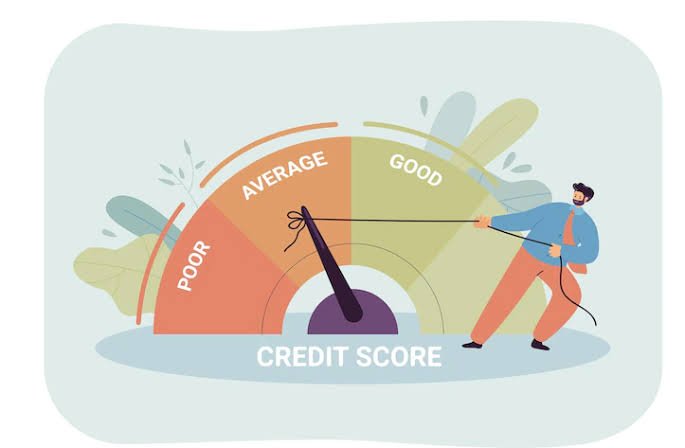
- When you have a decent credit score (750+) to access the lowest personal loan rates
[link to related guide on home loan with low CIBIL score here]
A Real Comparison With Numbers
Borrowing ₹2,00,000 for 12 months:
- Personal Loan at 12%: Total interest paid approximately ₹13,000
- Credit Card Loan at 30%: Total interest paid approximately ₹33,000
That’s a ₹20,000 difference for the exact same borrowed amount and repayment period — purely due to the interest rate gap.
A Real-World Scenario
Picture a small shop owner in Jaipur needing ₹1.5 lakh urgently for restocking inventory before Diwali. Tempted by the instant availability of a credit card loan, he almost went that route — until a quick calculation showed a personal loan, despite taking two extra days to process, would save him nearly ₹15,000 in interest over the year.
FAQs
Which is faster, a personal loan or a credit card loan? Credit card loans are generally faster, often disbursed within hours, while personal loans typically take 1-3 days.
Does taking a credit card loan affect my credit score more than a personal loan? Both affect your credit utilization and score similarly if not repaid on time; the key difference is cost, not credit score impact.
Can I prepay a personal loan without penalty? Many lenders now allow prepayment after a lock-in period (often 6-12 months), sometimes with a small prepayment fee — check your loan terms.
Is a credit card loan the same as a cash advance? Not exactly — a credit card loan converts existing dues into EMI, while a cash advance is withdrawing cash directly against your credit limit, usually at even higher cost.
What credit score do I need for the lowest personal loan interest rate? Generally 750 and above gets you access to the most competitive personal loan interest rates from most banks.
Conclusion
The personal loan vs credit card loan decision really comes down to amount and duration — for anything beyond a small, short-term need, a personal loan almost always saves you meaningful money. Before choosing convenience over cost, do the quick math like the shop owner in our example did. That few minutes of calculation can save thousands of rupees in unnecessary interest.
Suggested Alt Text:
- “Comparison of personal loan vs credit card loan interest rates”
- “Person calculating loan repayment options on calculator”